Last updated on April 8, 2026
If you have ever found a figure, trading card, retro game, fashion item, or limited collab on a Japanese store and then hit a wall at checkout, you are not alone. Sometimes the store does not ship to your country. Sometimes the page is only in Japanese. Sometimes the payment flow feels unclear. And sometimes you simply are not sure what the final cost will look like once shipping and other charges are added.
That is where proxy buying comes in.
Proxy buying is a service where a company in Japan purchases an item on your behalf and then helps move it through the next steps until it can be shipped internationally. In simple terms, the proxy becomes your local buyer in Japan.
For many first-time buyers, the main benefit is not only access. It is clarity. A good proxy service helps you understand what the process looks like, what costs usually matter, and what decisions you may need to make before your package is sent out.
In this guide, you will learn what proxy buying is, why people use it to shop from Japan, how the process usually works, what costs are commonly involved, when it makes sense, and how the Negai Wallet can help organize the payment flow.
What Is Proxy Buying?
Proxy buying means a service in Japan buys an item for you.
Instead of placing the order directly on a Japanese store yourself, you send the item link or request to the proxy service. The service checks the details, purchases the item in Japan, receives it locally, and then helps arrange the international shipping stage.
This can be useful when a Japanese store does not ship internationally, when the checkout process is difficult to understand, when the payment method is not straightforward for overseas buyers, or when you want support before moving forward with the purchase.
Proxy buying is different from simply using a Japanese shipping address. In a proxy buying flow, the service is involved in the purchase itself, not only in the forwarding step.
Why Do People Use Proxy Buying to Shop From Japan?
The most obvious reason is access.
Japan has many products that are harder to buy from overseas, especially limited items, store exclusives, collaborations, and collector products. That includes figures, anime goods, cards, retro games, fashion drops, and event items that may not be easy to find outside Japan.
Another big reason is context.
Buying from Japan is rarely just about the item price. There may also be domestic shipping inside Japan, service fees, international shipping, packaging costs, and possible import charges in your country. If you are new to this process, it is easy to focus only on the price shown on the product page and miss the bigger picture.
Proxy buying also helps when you want more guidance.
For example, if you are buying a fragile collectible, you may care about more than just getting it shipped. You may want clearer communication, more confidence in the process, and a better understanding of what happens after the item is purchased. That matters even more when you are buying something limited or emotionally important.
How Proxy Buying Works, Step by Step
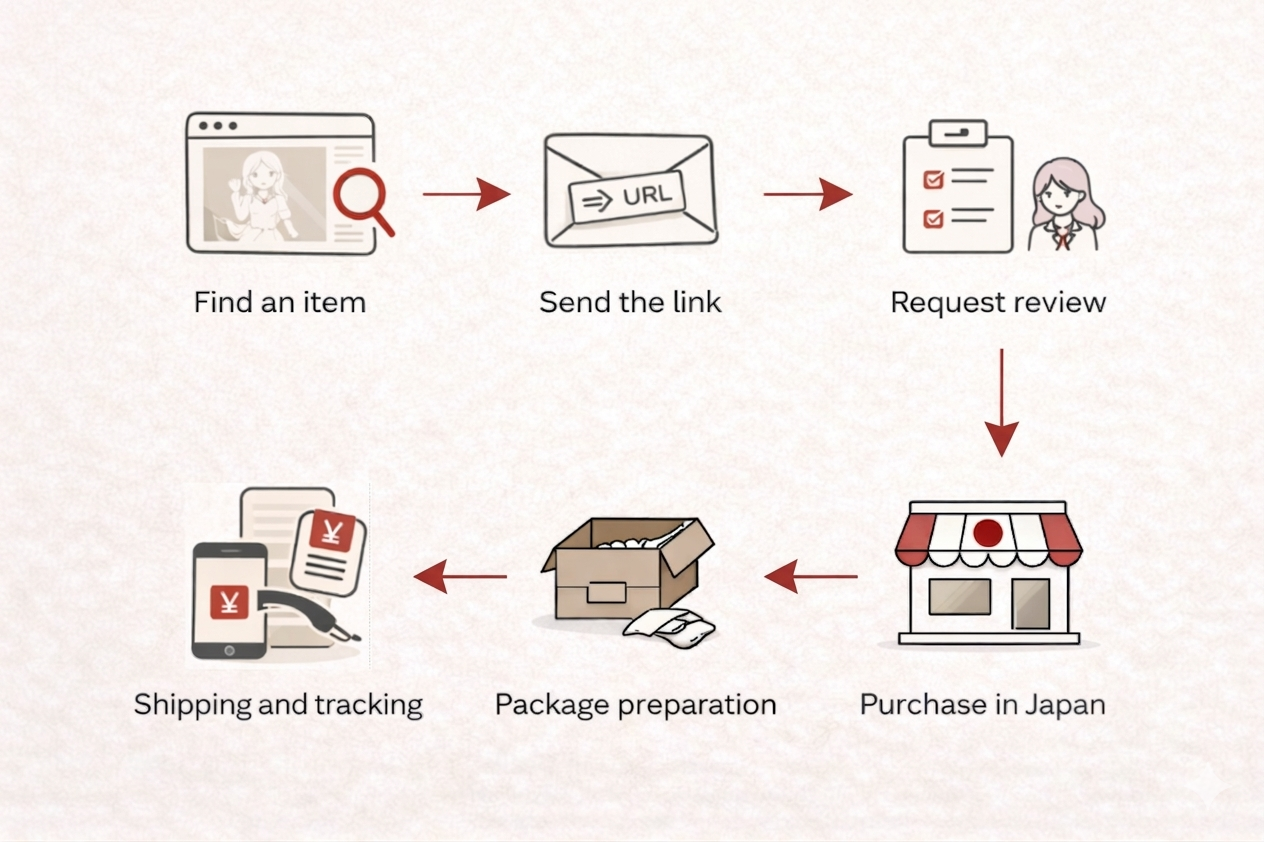
The exact flow can vary a little from service to service, but the process usually looks like this:
- You find the item you want. That could be a figure, a card, a small collectible, or another product from a Japanese store or marketplace.
- You send the item link or request to the proxy service. At this stage, the service reviews the listing and checks the basic details, such as price, availability, and whether the order looks feasible.
- The purchase is made in Japan.
- The item is received locally. Once it arrives, the next step is international shipping. This is where factors like package size, destination, and shipping options start to matter more.
- The package is prepared and sent internationally after the shipping step is confirmed.
The important thing to remember is that proxy buying is usually not just one click. It is a process with stages. The more clearly those stages are explained, the easier it is to make a good decision before moving forward.
What Costs Are Usually Involved in Proxy Buying?
One of the biggest mistakes beginners make is looking only at the item price.
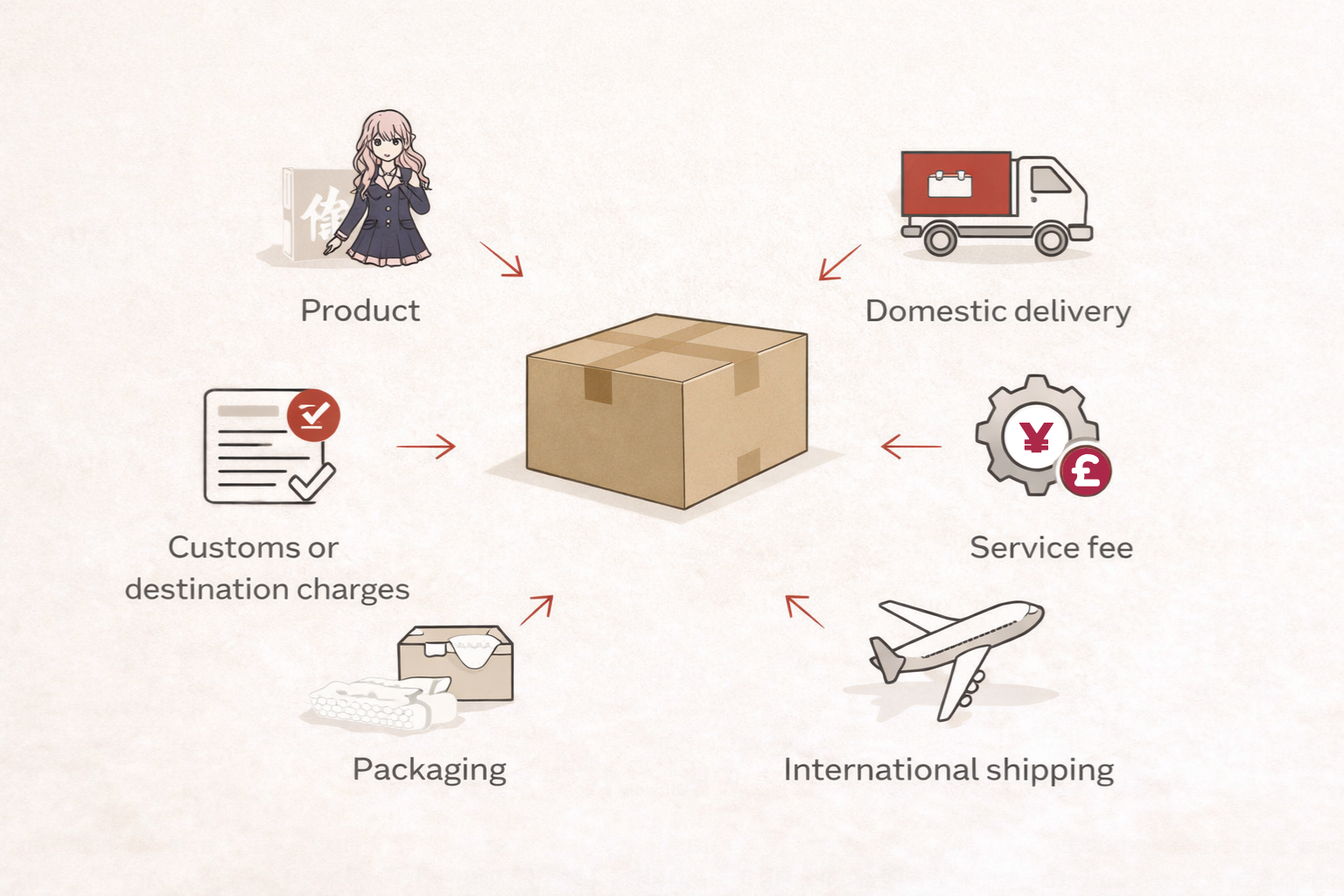 Common cost layers in a typical proxy buying order
In most proxy buying cases, the final total can include more than one layer of cost. Common examples include the item price, domestic shipping inside Japan, the proxy service fee, international shipping, packaging or optional service costs, and taxes or local charges in the destination country.
That does not mean proxy buying is a bad deal. It means the real question is not only “How much is the item?” but also “What will this order look like as a full shipment?”
For example, a limited figure that is hard to buy outside Japan may still make sense even after the extra costs are added. On the other hand, a very cheap item bought by itself may not be worth importing if the total ends up much higher than expected.
This is why it helps to think in categories, not just in product price. The clearest buying decisions usually happen when you look at the full structure of the order before you commit.
When Proxy Buying Makes Sense
Proxy buying often makes sense when the item is hard to access from outside Japan.
That can include Japan-only releases, limited or exclusive products, pre-orders, items from stores that do not ship to your country, products that are difficult to find locally, and collector items where you want more clarity before ordering.
It can also make sense when you plan to buy more than one item over time and want to organize your orders more carefully.
For collectors, proxy buying can be especially useful when the goal is not just to obtain the item, but to understand the process better before the package is sent.
When Proxy Buying May Not Be Worth It
Not every item is a strong fit for proxy buying.
In some cases, the smarter decision may be to wait, combine purchases later, or skip the order entirely.
Proxy buying may be less attractive when the item is inexpensive and bought alone, when the product is very large or heavy, when the same item is easy to find locally for a similar final price, or when you are buying impulsively without checking the likely total first.
This part matters because good buying decisions are not only about access. They are also about whether the order still makes sense once the full cost and shipping reality are considered.
Proxy Buying vs. Buying Direct vs. Forwarding
These three options are related, but they are not the same.
Buying direct means you place the order yourself on the Japanese store and the store ships to you directly. This can be the simplest option when the store supports your country and the checkout process works well for you.
Forwarding usually means you place the order yourself, but instead of shipping it directly overseas, you send it to a Japanese address first and then use a forwarding service to ship it internationally later.
Proxy buying is different because the service handles the purchase step for you.
A simple way to think about it is this: if you only need access to a Japanese address, forwarding may be enough. If you want help with the purchase and the process around it, proxy buying is usually the better fit.
For first-time buyers, proxy buying often feels more approachable because there is less guesswork in the middle of the process.
How Payments Can Work, Including the Negai Wallet
Payment flow is one of the most important parts of proxy buying for first-time buyers.
Even when the item itself is easy to understand, a confusing payment structure can make the whole process feel uncertain. That is why clear payment organization matters.
In addition to the usual cost breakdown during the buying process, Negai Japan also offers a
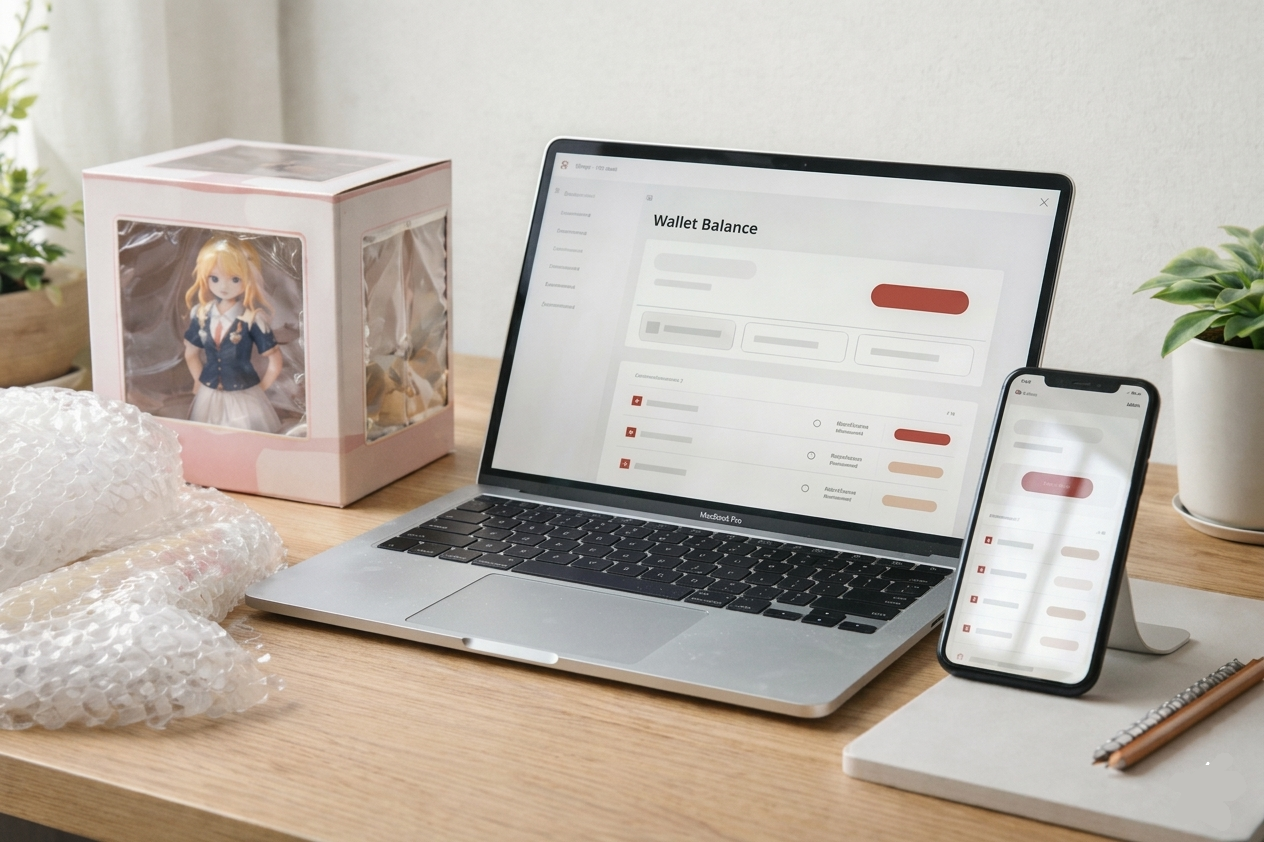
Wallet feature that is already available on the platform. This gives you a clearer way to manage your balance and follow how payments move through your order.
For many buyers, a Wallet makes the process easier to understand because adding funds and using funds become separate steps. Instead of trying to track everything mentally, you can see your balance inside the same buying flow.
The most important part is still clarity. Before you move forward, make sure you understand the item cost, the shipping-related costs, and how your balance will be used during the order process. A good payment flow should help you feel more informed, not more confused.
FAQ for First-Time Proxy Buyers
Is proxy buying reliable?
It can be, as long as the service communicates clearly and explains what is and is not under its control. Reliability is less about big promises and more about transparency, process clarity, and consistent support.
How long can shipping take?
That depends on the destination, the package, and the shipping option chosen for the order. It is better to review the available shipping details at the time of purchase than to rely on a generic promise.
Do I still pay import taxes?
Possibly. Proxy buying does not remove taxes, duties, or local charges that may apply in your country. Those depend on the destination and the shipment.
Can I estimate costs before I order?
Yes, and that is usually the best place to start. Looking at the broader cost picture before buying helps you make a more informed decision.
Is proxy buying only for expensive items?
No. People use proxy buying for different types of products. Still, the final cost matters more when the item is low-priced, so it is worth checking whether the order makes sense as a full shipment.
The Best Next Step: Create Your Account
If you are new to proxy buying, the best next step is to create your account and start exploring the process with more clarity.
From there, you can review how the service works, organize your order flow, and prepare your purchase with better context before moving forward.
Proxy buying is not magic. It is a practical way to bridge the gap between Japanese stores and international buyers. When the process is explained clearly, it becomes much easier to understand what you are paying for, what to expect, and when an order makes sense.
Helpful links: Service Fees |
Shipping Methods |
Cost Calculator |
How to Buy from Japan
Sign up and start shopping from Japan with more clarity
 USD
USD BRL
BRL AUD
AUD CAD
CAD EUR
EUR GBP
GBP MXN
MXN




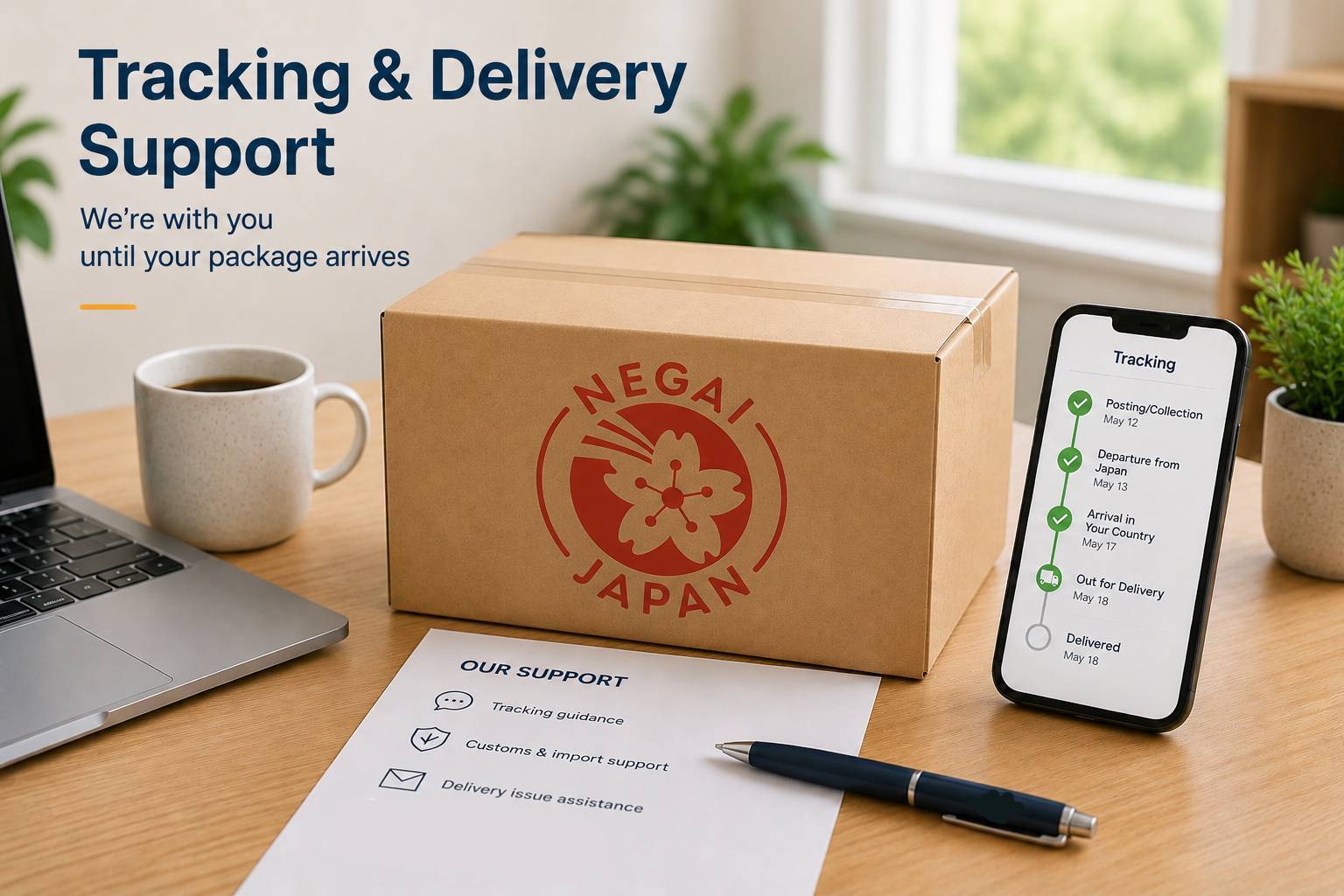 Tracking and Delivery Issues After Buying from Japan
After a package leaves Japan, tracking updates, customs processing, and local carrier notices can feel confusing. This guide explains common Japan Post tracking statuses, why updates may pause, what to check when customs or delivery action appears, what to prepare if a package is delayed, returned, damaged, or possibly lost, and when to contact Negai Japan for help.
Tracking and Delivery Issues After Buying from Japan
After a package leaves Japan, tracking updates, customs processing, and local carrier notices can feel confusing. This guide explains common Japan Post tracking statuses, why updates may pause, what to check when customs or delivery action appears, what to prepare if a package is delayed, returned, damaged, or possibly lost, and when to contact Negai Japan for help.
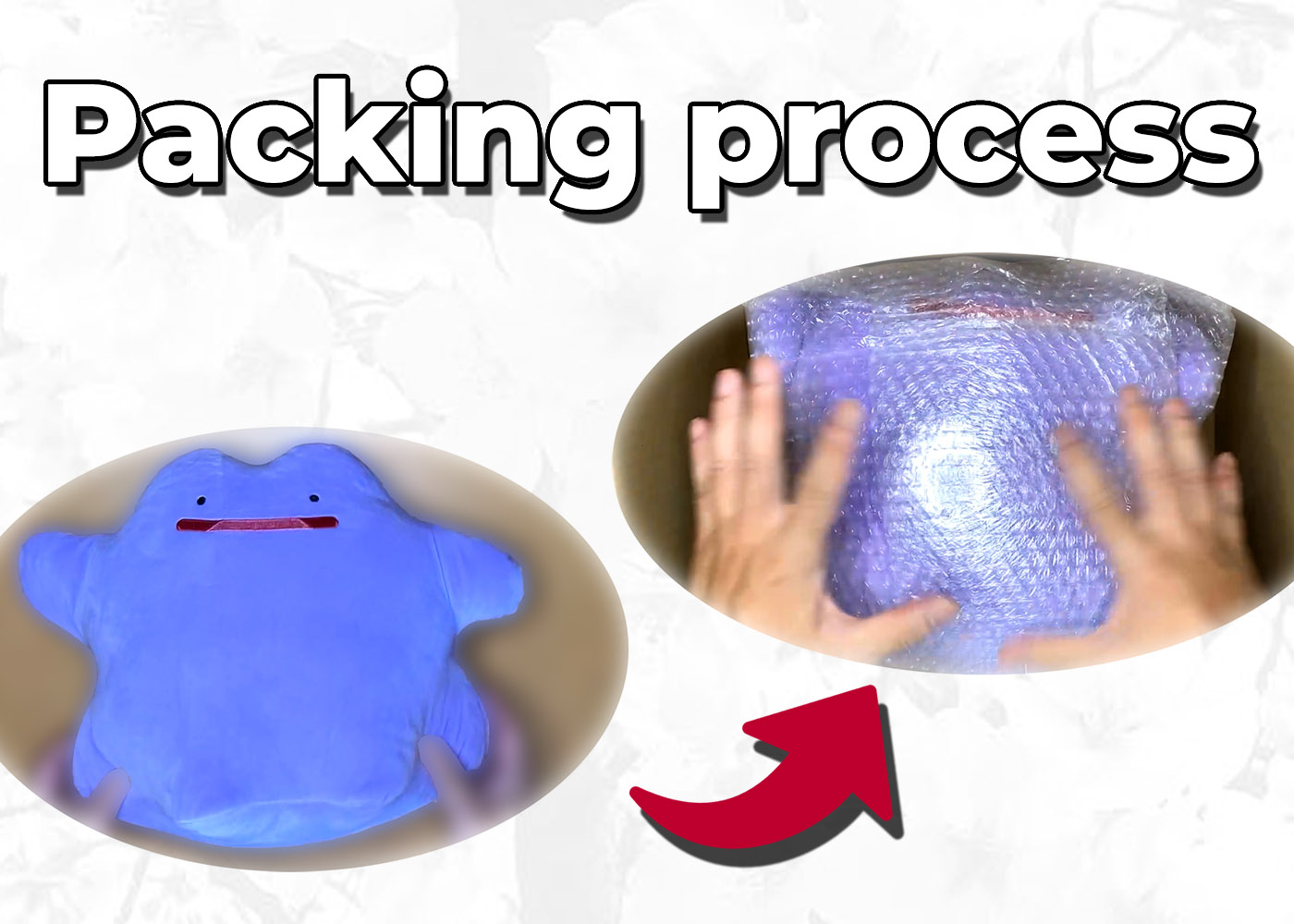 Inside Our Packing Process: How Negai Japan Ensures Your Japanese Products Arrive Safely
Discover how Negai Japan's professional packing process protects your Japanese purchases during international shipping. From strategic weight distribution to compact arrangement, see our meticulous 5-step method that ensures your items arrive safely while keeping shipping costs low. Plus, experience our behind-the-scenes ASMR packing video.
Inside Our Packing Process: How Negai Japan Ensures Your Japanese Products Arrive Safely
Discover how Negai Japan's professional packing process protects your Japanese purchases during international shipping. From strategic weight distribution to compact arrangement, see our meticulous 5-step method that ensures your items arrive safely while keeping shipping costs low. Plus, experience our behind-the-scenes ASMR packing video.
 How to Save on Shipping from Japan: When to Consolidate and When Not To
If you buy multiple items from Japan, consolidating them into one parcel can help reduce costs, but not always. This guide explains when consolidation makes sense, when splitting a shipment may work better, and how to compare your options with more clarity before placing an order.
How to Save on Shipping from Japan: When to Consolidate and When Not To
If you buy multiple items from Japan, consolidating them into one parcel can help reduce costs, but not always. This guide explains when consolidation makes sense, when splitting a shipment may work better, and how to compare your options with more clarity before placing an order.

 Facebook
 Youtube
 Instagram